Crafting Brand Identity: An Integrated Approach to B2B Graphic and Trademark Design
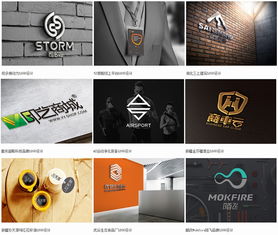
In today's visually driven marketplace, a company's visual identity is its silent ambassador. For businesses operating in specialized sectors such as corporate catering, internet-based wedding services, or product-centric companies, a cohesive and strategic approach to graphic and trademark design is not merely an aesthetic choice—it is a critical business imperative. This article explores the integrated process of creating compelling English-language logos and graphic designs that resonate across these diverse yet interconnected industries.
The Core of Brand Identity: The Logo
The logo serves as the cornerstone of any brand identity. For businesses with an international outlook or those targeting a globalized clientele, an English-language trademark is often essential. The design process must transcend literal translation; it involves crafting a symbol and typographic treatment that communicates the company's core values, professionalism, and unique selling proposition.
- For Corporate Catering: A logo must convey reliability, sophistication, and taste. Design elements might incorporate sleek typography, abstract representations of culinary artistry (like a stylized utensil or plate), or a modern monogram. The color palette often leans towards professional blues, trustworthy greens, or elegant neutrals.
- For Internet Wedding Services: Here, the design should evoke emotion, romance, and digital innovation. Logos may blend script fonts with clean, modern sans-serifs, or integrate symbols like interconnected rings, abstract hearts, or digital motifs (pixels, signals). Colors tend to be softer (blushes, golds) or strikingly modern (black and white with a single accent color).
- For Product Companies: The focus is on clarity, memorability, and the product's essence. The design might be bold and iconic, often using strong typography (the company name itself as the logo) or a simple, abstract symbol that suggests the product's benefit (innovation, strength, precision).
Beyond the Logo: The Ecosystem of Graphic Design
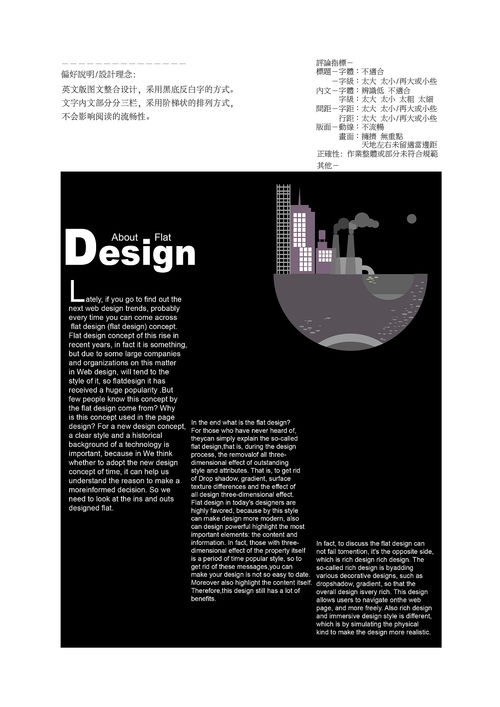
A trademark does not exist in a vacuum. It is the most recognizable part of a broader graphic design ecosystem that includes marketing materials, website interfaces, packaging, and social media graphics. A unified graphic design language ensures consistency and amplifies brand recognition.
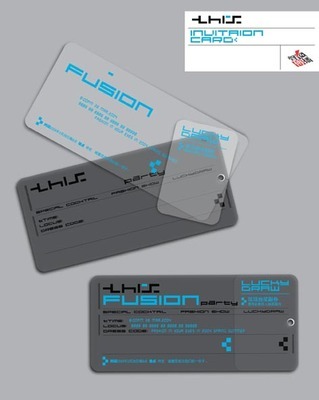
- Trademark & Graphic Design Integration: The colors, fonts, and visual motifs established in the logo must flow seamlessly into all other design assets. For a corporate catering firm, this might mean elegant proposal templates and menu designs. For a wedding platform, it translates into cohesive website layouts and digital invitation suites.
- The Bilingual or Global Context: Many companies require designs that function in both English and their local language. The challenge is to create a visual system flexible enough to accommodate different scripts while maintaining a unified look and feel. The graphic design must prioritize layout and symbolism that are culturally neutral and universally appealing.
- The Production Pipeline: Modern graphic design and logo creation are deeply intertwined with digital production. The final deliverables must be technically flawless, provided in versatile vector formats (like AI or EPS for logos) and high-resolution raster formats for various applications—from tiny favicons on a browser tab to large-scale trade show banners.
The Strategic Design Process
Successful design begins with strategy:
- Discovery: Understanding the company's mission, target audience, and competitive landscape.
- Conceptualization: Developing multiple creative directions that align with the strategic brief.
- Design & Refinement: Crafting the chosen logo and defining the core graphic elements (color palette, typography, imagery style).
- Application & Rollout: Building out the full suite of graphic materials and creating brand guidelines to ensure consistent future application.
Conclusion
Whether for a corporate catering service, an innovative online wedding portal, or a cutting-edge product manufacturer, professional graphic and trademark design is a synthesis of art and strategy. A well-designed English-language logo, supported by a robust system of graphic design, acts as a powerful tool for communication, differentiation, and trust-building in the global digital arena. It is the visual handshake that introduces a company to the world and the thread of consistency that weaves through every customer interaction, ultimately driving growth and brand loyalty.
如若转载,请注明出处:http://www.wazgkil.com/product/77.html
更新时间:2026-10-07 22:14:54